The government of Canada signed an agreement with Warren Buffett-backed EV maker BYD for the production of tens of millions of masks and millions of litres of hand sanitizer fluid. BYD has the world’s largest mass-produced face masks plant. The plant is now running at full capacity and is able to produce 15 million masks and 300,000 bottles of disinfectants per day.
Some hospitals in Ontario have already received medical masks from BYD. The medical supplies ordered by the government of Canada from BYD will be full-filled with the shipments in April and May.
BYD announced on April 9th that it will pledge a donation of $1 million in medical supplies, including PPEs and hand sanitizer to transit agencies and first responders in the Canada and United States.
Softbank Group in Japan also signed a agreement with BYD to secure 300 million medical masks every month for Japan beginning from May. 1/3 of them are N95, the rest are regular surgery masks. The population of Japan is 125 million.
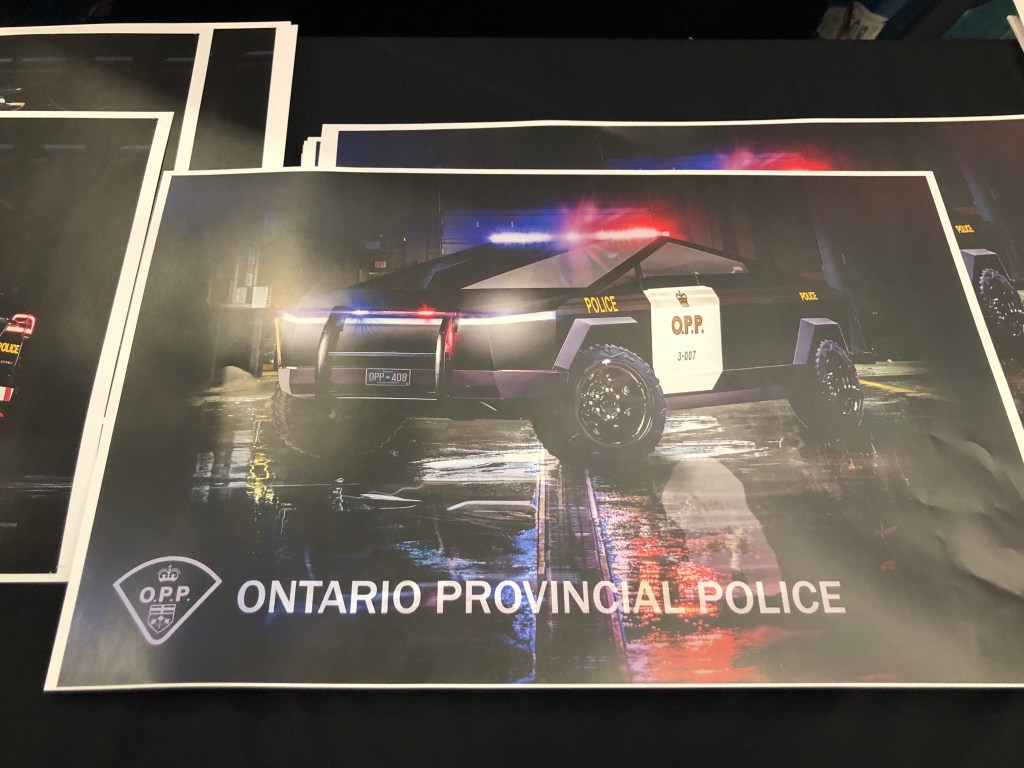
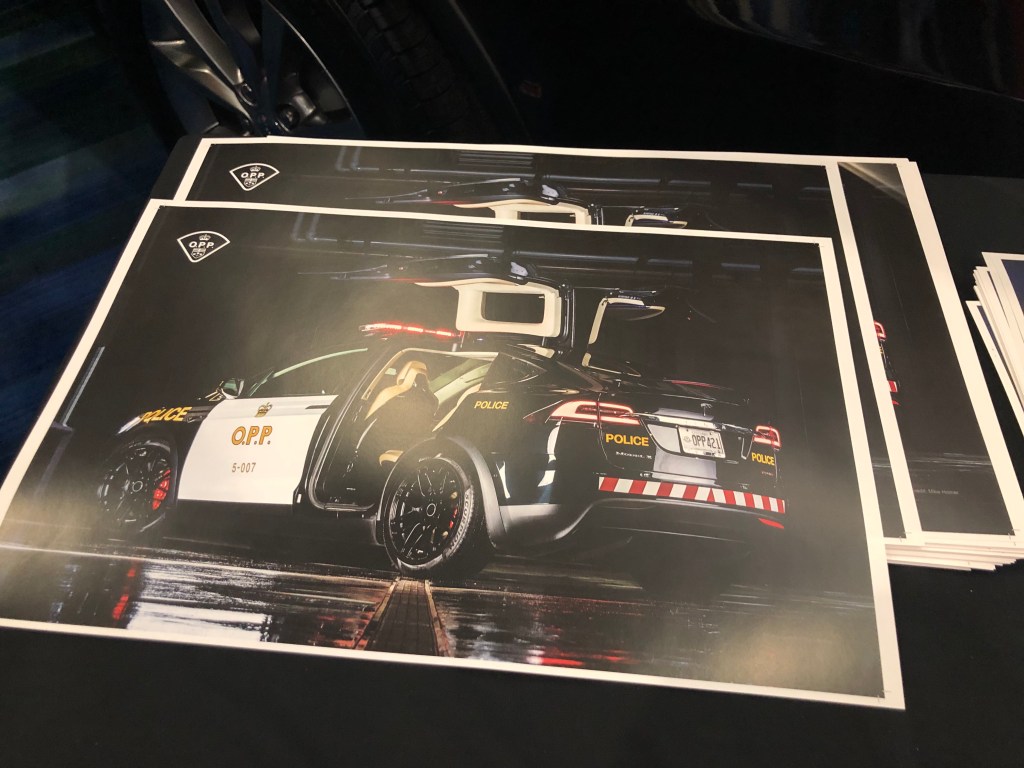
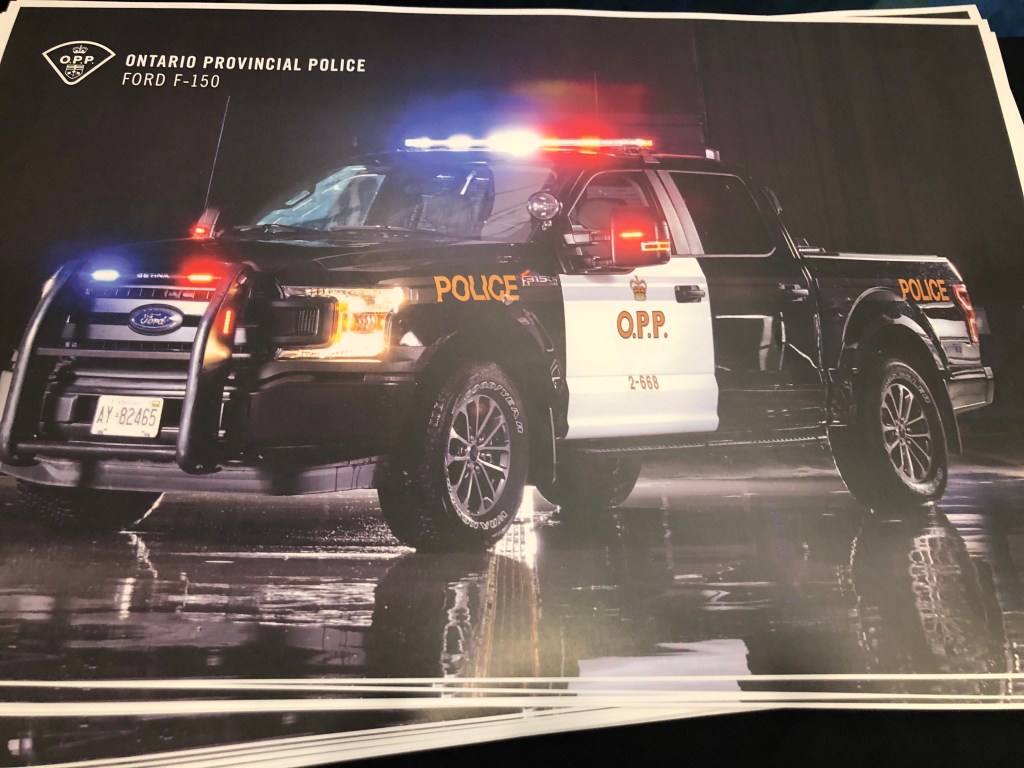
Ontario Provincial Police showed series of police vehicle renderings during Canada International Auto Show 2020. OPP made few posters showing what your favorite vehicles look like as a police car, including Tesla Cybertruck, Model X, Ford F-150 and Dodge Charger.
OPP Highway Safety Division also tweeted Elon Musk for suggestion on which model would make a better police car? Cybertruck or Model X?
Last November Tesla unveiled Cybertruck, and Elon Musk said, “It is literally bulletproof to a 9 mm handgun, that’s how strong the skin is.” So literally the Cybertruck has the potential to be a police vehicle and maybe that’s one reason OPP is interested in a Police Cybertruck.
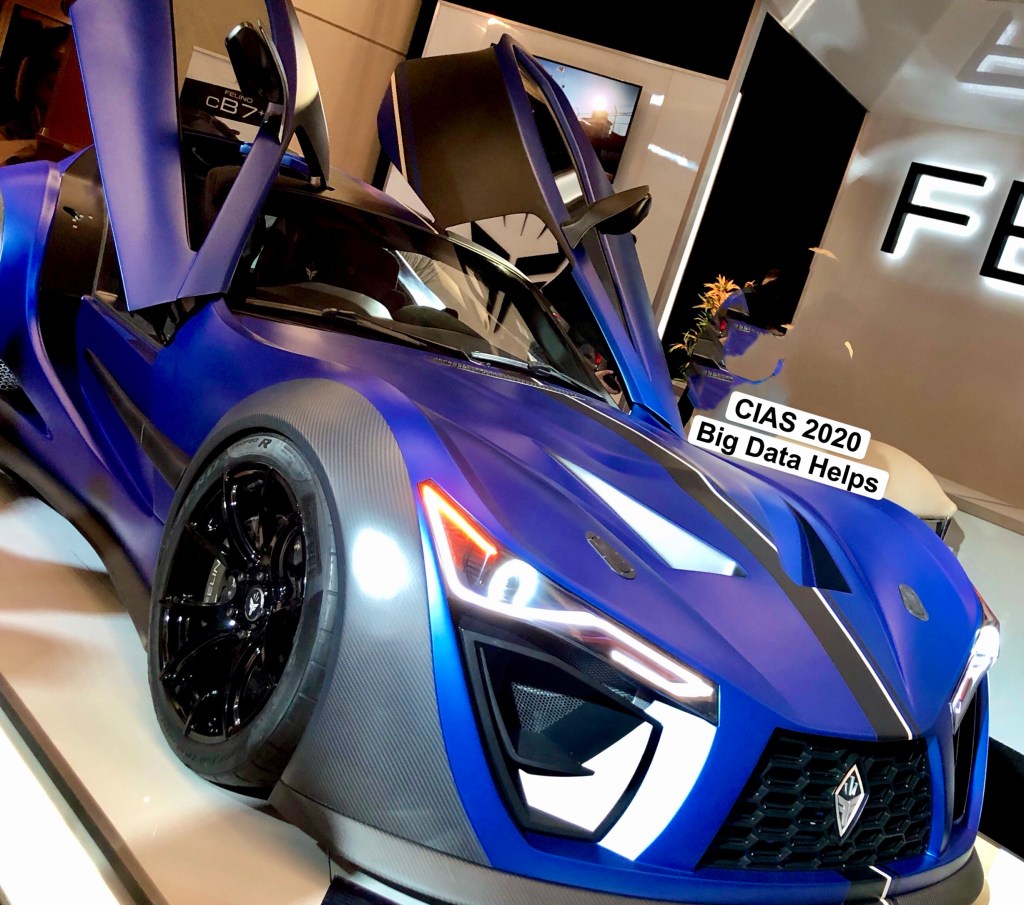
The FELINO cB7, only the second-ever supercar made in Canada, showcased in Auto Exotica during the 2020 Canadian International AutoShow.
FELINO cB7 was designed by Canadian racing driver Antoine Bessette. Conceived and built in Montreal, the cB7 was a decade in the making — including extensive testing on the track — before the first production model rolled out of the shop in 2017.
The car uses one of three optional 7.0-liter naturally-aspirated cast aluminum V8 engines. The exterior is a long nose kind of layout using composites and carbon fiber, with a design that slightly resembles that of lightweight track cars.
The next generation of the cB7, the road-legal cB7R, is available this year.
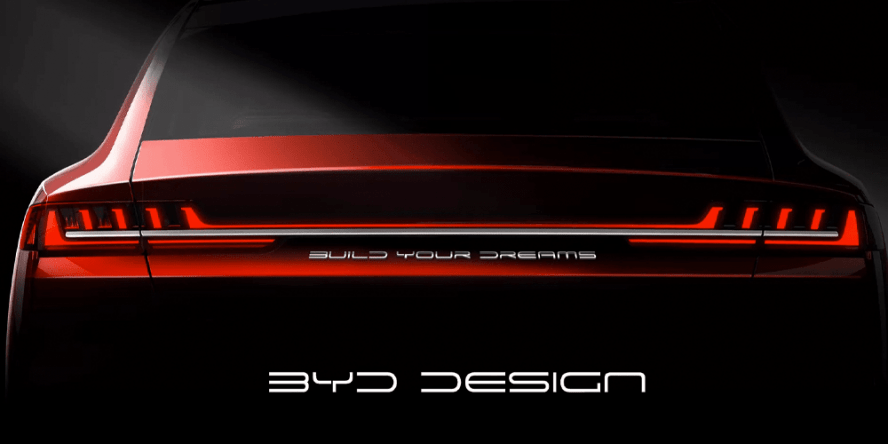
China’s new energy vehicle manufacturer BYD has announced to produce medical supplies such as medical masks and disinfectant. The outbreak of Covid-19 in China caused severe medical supply shortage, especially masks. Mass-production will begin on February 17.
Why Auto Makers Can Produce Medical Masks?
Some auto parts must be produced in dust-free plant which is also the required environment for medical supply production. NVH engineering is crucial for vehicle sound deadening performance and a must-have technique for the auto maker. Some sound insulation materials such as polypropylene fiber is the same material to make medical masks. Therefore, vehicle manufacturers like BYD has the environment, technique and material to produce medical masks.
BYD’s daily production capacity for masks will be 5 million pieces and disinfectant will be 50,000 bottles. Currently medical masks will supply to hospitals in severely epidemic-stricken areas in China, not for individual purchase.
Nissan announced to temporarily halt production at its plant in Kyushu, Japan from February 14 as a result of parts shortage due to Corvid-19 outbreak. (WHO officially named Novel Coronavirus disease as Covid-19 today.) Nissan already closed several of its plants in China.
“Due to supply shortage of parts from China, Nissan Kyushu in Japan will carry out temporary production adjustments on February 14 and 17,” said a Nissan spokesperson.
According to the Japanese newspaper Nikkei, the stoppage could reduce production by 3000 vehicles. 30% of all of Japan’s auto parts are imported from China.
Nissan’s spokesperson said:”We are preparing to restart production in China at the earliest from February 17 at Huadu Plant and Dalian Plant.”
The analytics software company SAS utilizes big data analytics in automotive industry. They use case studies that relate to sectors everybody understands. Big data examples from real life help to simplify the processes involved, and lay the benefits on the table for all to see.
“For over a century, car manufacturers have been bastions of innovation, continually pushing themselves and their products forward with new technology and fresh approaches. Today, we stand on the cusp of another automotive innovation, with electric and self-driving vehicles poised to completely change our world. Of course, big data has played a part in this shift, and will only become more important as automotive businesses use analytics for everything from optimizing manufacturing to improving customer satisfaction.” SAS analyzed.
Car manufacturers using big data analytics
“Big data analytics has been used in all sorts of different aspects of the car manufacturing and selling process. While some brands started using analytics earlier than others, it’s really been the rise of modern technology that’s turbo charged the way information is collected and used. The modern car collects an incredible amount of data, thanks to an array of sensors, processors and other on-board tools that record an enormous volume of information – traditionally to make it easier to conduct repairs or quickly identify a fault.” Analyzed in SAS report.
“As big data is gathered from the multitude of sensors, inferences can be drawn regarding consumer behaviour, for instance establishing if there is a link between the music people listen to and drive-through restaurants they frequent. These kinds of connections can impact advertising resource allocations and budgets, and thus the information gathered from connected cars is invaluable commercially,” explains NetworkWorld.
Car manufacturers benefiting from big data analytics
‘Connected vehicles’ will make all data immediately available to manufacturers, unlocking a new range of abilities such as remote patching, error testing and, of course, advanced analytics. The automotive industry is using big data to foster loyalty and keep customers coming back for more. The industry will benefit from big data analytics in improving on-road performance and the driver experience.
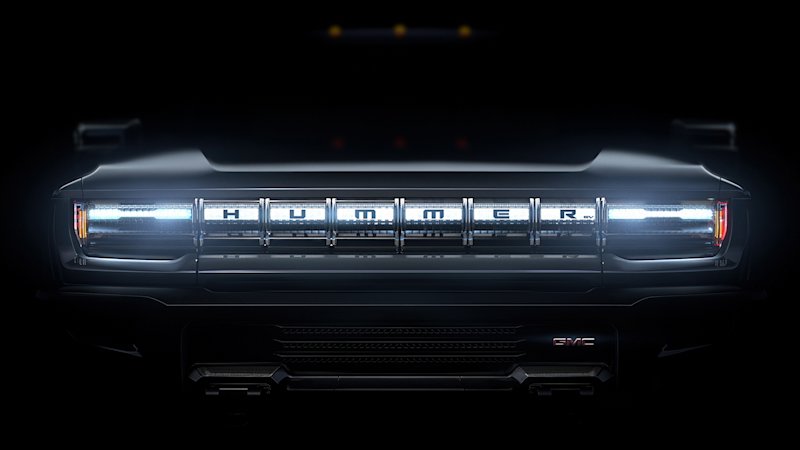
Hummer is back, powered by battery and named as GMC Hummer EV. The new electric truck has 1,000 horsepower, 11,500 LB-FT torque and it accelerates to 60MPH in 3 seconds.
It is said the size of the battery pack of GMC Hummer EV could be 20% larger than Tesla S. The reveal date of Hummer EV is May 20, 2020, and it will be the first EV truck in the market by then.
Features such as battery capacity, charging, and price are still unknown.
Companies such as Deloitte are using Big Data and Analytics in automotive industry to convert raw data into valuable information and knowledge to assist decision maker.
Opportunities for analytics in the automotive industry
“The automotive industry continues to face a dynamic set of challenges. For those with the right ambition it represents an exciting time with opportunities to differentiate and stand out from the crowd. One area that has the opportunity to deliver significant competitive advantage is analytics.”
Manufacturing analytics value chain
Applying advanced analytics across the manufacturing value chain will generate exponential value.
“The power of digital is revolutionising the way in which customers research, purchase and manage the upkeep of their vehicles.”
Customer behaviour analytics
Customers have come to expect a consistent personalised experience across their access channels.
“The power of digital is revolutionising the way in which customers research, purchase and manage the upkeep of their vehicles.”
Marketing spend management
Configuring the optimal marketing mix for a targeted group of customers.
“The power of digital is revolutionising the way in which customers research, purchase and manage the upkeep of their vehicles.”
Global supply chain management
Using data analytics to manage risk and drive growth.
“The power of digital is revolutionising the way in which customers research, purchase and manage the upkeep of their vehicles.”
Predictive analytics
Using advanced analytics for product quality and recall management.
“The power of digital is revolutionising the way in which customers research, purchase and manage the upkeep of their vehicles.”
BYD, the leading new energy vehicle manufacturer has developed a new iron batter product named “Blade Battery”. The news pushed BYD’s stock price up for two days. The release of the new blade battery was announced by BYD’s president Wang Chuanfu at the China EV100 Forum.
The new battery’s volumetric specific energy density increased by 50 percent compared to traditional lithium iron batteries. The new product is like a long bar and flatter than traditional batteries, so it is called “blade battery”. The blade battery will be mass-produced in March 2020 and will be first installed on BYD’s Han series EV. Han EV will be launched from BYD Chongqing factory with a range of 600km.
The BYD source said the new blade battery feathers high safety, a long life and lower cost.
One of the biggest news of CES 2020 is Sony’s car release. Sony the digital giant, which has a lot of expertise in the field of sensors and entertainment hardwares, released a concept car named VISION-S.
VISION-S has a typical electric car look, aerodynamic design, a closed grille. The chassis of this car is developed by Sony and Magna.
Magna is the well-known chassis supplier in the automotive industry. In addition, Sony also partners with include Bosch, Continental, NVIDIA, Qualcomm, BlackBerry and more.
Sony focused on technology and interior parts of the vehicle in the release keynote. VISION-S has 33 sensors which used in areas such as autonomous driving and Internet of cars.
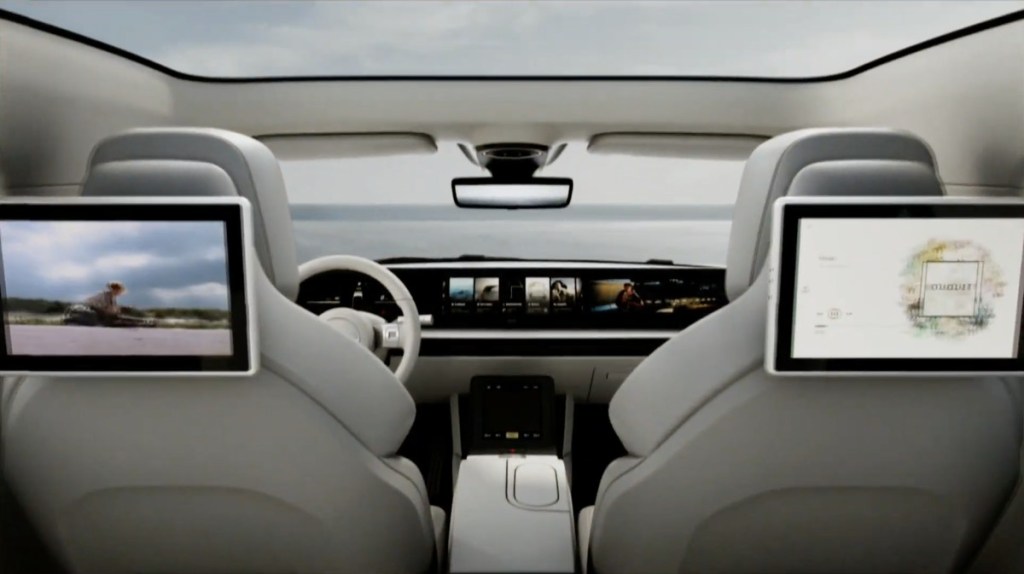
What’s interesting is the interior of VISION-S, a large screen traversing the center console. In fact, this large screen-led interior layout could be a design solution that Sony bought from its supplier. Buying a solution is a common occurrence in the automotive industry.
Sony has always been a pro for screens, from smart phone to super large screen 8K TV. You will be satisfied with the screen in the VIONS-S as well.
Sony is also good at sensors, which important for electric car. For example, in the matter of making CMOS, Sony has always been the best supplier in the industry. Sony’s CMOS is so popular that its production capacity can’t full fill the demand of mobile phone manufacturers all over the world. In its professional field, Sony is invincible.
Currently there are currently two mainstream hardware solutions for autonomous driving. One is a camera-based vision solution. This solution has the advantage of low cost. The other is a lidar sensor based solution. It’s theoretically safer but expensive.
Sony said that their image sensor and radar sensor fusion solution has been implemented. Toyota and Lexus have equipped with Sony’s CMOS solution, and got very good results in the JNCAP automatic emergency braking test at night.
If you recall the last two CES, you may find that, Sony’s has planned to enter the auto industry for a long time.
At CES 2018, Sony stepped into autonomous driving area by using image sensors as eyes of vehicle. At the exhibition booth, Sony provided a series of scene-based simulation experiences for the audience. Through Sony products and technologies, the experiencers can conduct 360-degree inspections around the car, in driving conditions such as low light and backlight, to predict the danger in advance and avoid it.
Based on its strong CMOS technology, Sony plays an important role of the car camera supplier. Sony’s ambitions won’t stop there, but its ambitions may not be enough to build cars which requires a complete set of solutions, including autonomous driving, in-car entertainment, etc. Today’s VISION-S is more like a solution model showing Sony could be not only a hardware supplier but a solution provider in automobile industry.






 Aia
Aia 